Understanding Nipah Virus: A Critical Public Health Concern
The nipah virus is one of the most dangerous zoonotic infections threatening public health worldwide. First identified in Malaysia in 1999, this deadly pathogen continues to cause periodic outbreaks, particularly in South and Southeast Asia. Understanding nipah virus transmission, recognizing its symptoms early, and implementing effective prevention strategies can save lives.
Nipah virus is a bat-borne illness that can spread to humans through direct contact with infected animals or contaminated food products. The mortality rate ranges from 40% to 75%, making it significantly more lethal than many other viral infections. With no specific treatment or vaccine currently available, prevention remains our strongest defense against this emerging infectious disease.
What Is Nipah Virus?
Nipah virus (NiV) belongs to the family Paramyxoviridae, genus Henipavirus. The virus was named after Kampung Sungai Nipah, the Malaysian village where it was first detected during an outbreak among pig farmers. Since then, nipah virus outbreaks have been reported in Bangladesh, India, Singapore, and the Philippines.
The natural reservoir of nipah virus is fruit bats, specifically Pteropus species (flying foxes). These bats can carry the virus without showing symptoms, making them silent carriers capable of transmitting the infection to humans and other animals.
How Nipah Virus Spreads
Understanding transmission routes is crucial for nipah virus prevention:
Animal-to-Human Transmission:
- Consuming fruits or date palm sap contaminated with infected bat saliva or urine
- Direct contact with infected pigs or other domestic animals
- Exposure to tissues or bodily fluids of infected animals
Human-to-Human Transmission:
- Close contact with infected patients or their bodily fluids
- Transmission in healthcare settings without proper protective equipment
- Contact with contaminated surfaces or materials
Research from the World Health Organization confirms that human-to-human transmission has been documented in several outbreaks, particularly in Bangladesh and India, where hospital-acquired infections have occurred.
Recognizing Nipah Virus Symptoms
Early detection of nipah virus symptoms is vital for improving patient outcomes and preventing further transmission. The incubation period typically ranges from 4 to 14 days, though cases with incubation up to 45 days have been reported.
Initial Symptoms
The nipah virus initially presents with flu-like symptoms that can be easily mistaken for other illnesses:
- High fever (38-40°C or 100.4-104°F)
- Severe headache
- Muscle pain (myalgia)
- Vomiting and nausea
- Sore throat
- Dizziness
- Drowsiness and altered consciousness
Advanced Symptoms
As the infection progresses, nipah virus can cause severe neurological complications:
- Acute encephalitis (brain inflammation)
- Seizures
- Disorientation and confusion
- Respiratory distress
- Atypical pneumonia
- Severe breathing difficulties requiring ventilation
According to the Centers for Disease Control and Prevention, survivors of nipah virus may experience long-term neurological consequences, including persistent convulsions and personality changes.
Nipah Virus Prevention: Essential Strategies
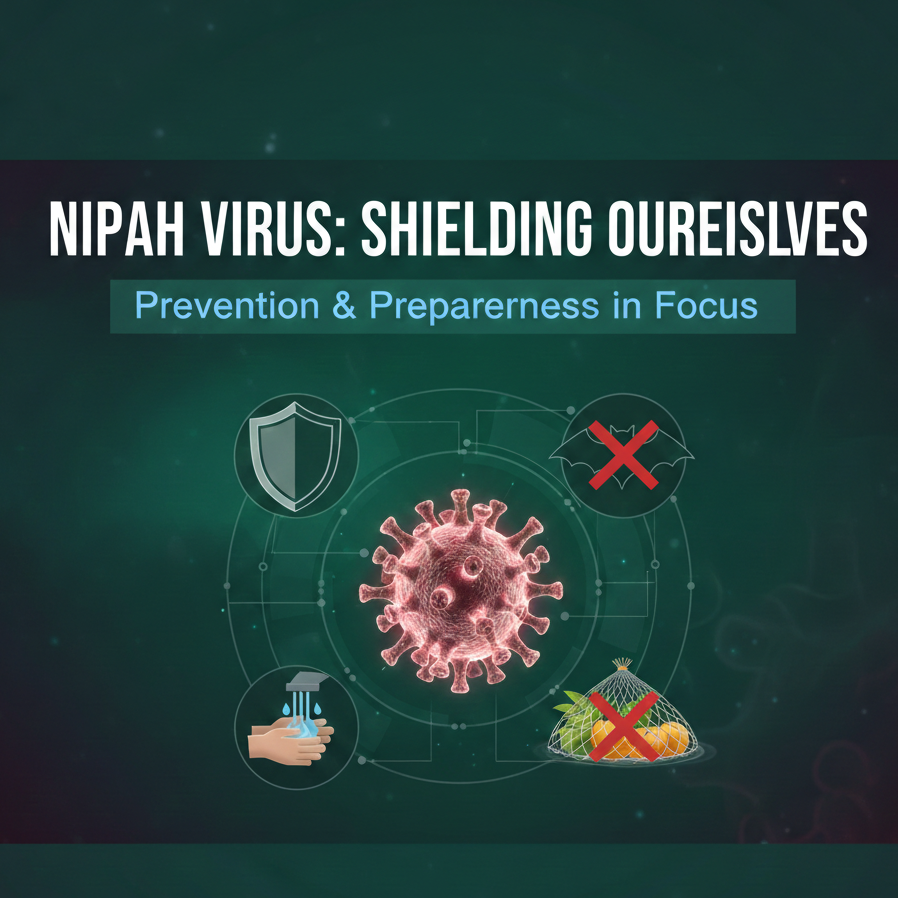
Since no vaccine exists for nipah virus, prevention focuses on reducing exposure risk and implementing strict infection control measures.
Personal Prevention Measures
Avoid Contaminated Food Products:
- Do not consume raw date palm sap, especially in endemic areas
- Wash all fruits thoroughly before eating
- Avoid fruits with visible bat bite marks
- Cook food items thoroughly when in high-risk regions
Practice Proper Hygiene:
- Wash hands frequently with soap and water for at least 20 seconds
- Use alcohol-based hand sanitizers when soap is unavailable
- Avoid touching your face, especially eyes, nose, and mouth
- Maintain respiratory hygiene by covering coughs and sneezes
Limit Animal Exposure:
- Avoid contact with sick pigs or bats
- Stay away from areas where bats are known to roost
- Do not handle dead animals without proper protection
- Report sick animals to veterinary authorities
Healthcare Setting Prevention
For healthcare workers treating suspected nipah virus cases, strict infection prevention protocols are essential:
Standard Precautions:
- Use appropriate personal protective equipment (PPE) including N95 masks, gloves, gowns, and face shields
- Practice proper hand hygiene before and after patient contact
- Safely dispose of contaminated materials
- Isolate suspected or confirmed cases immediately
Enhanced Biosafety Measures:
- Implement airborne precautions in addition to standard protocols
- Use negative pressure isolation rooms when available
- Limit the number of healthcare workers exposed to patients
- Conduct regular training on infection control procedures
The Indian Council of Medical Research provides detailed guidelines for managing nipah virus in healthcare settings, emphasizing the importance of preparedness and rapid response.
Community-Level Prevention
Public Health Surveillance: Communities in endemic areas should establish robust surveillance systems to detect nipah virus outbreaks early. This includes monitoring fruit bat populations, tracking unusual animal deaths, and maintaining alert systems for human cases.
Educational Campaigns: Public awareness is crucial for nipah virus prevention. Communities should receive regular education about:
- Recognizing symptoms of nipah virus infection
- Understanding transmission routes
- Implementing preventive measures
- Knowing when to seek medical care
- Avoiding stigmatization of patients and families
Environmental Management:
- Keep fruit trees covered with nets to prevent bat access
- Collect fallen fruits promptly to discourage bat feeding
- Maintain proper distance between human dwellings and bat habitats
- Implement biosecurity measures on farms in endemic regions
Diagnosis and Treatment of Nipah Virus
Diagnostic Methods
Diagnosing nipah virus requires specialized laboratory testing:
- RT-PCR (Reverse Transcription Polymerase Chain Assay): Detects viral RNA in blood, throat swabs, or cerebrospinal fluid
- Serology Tests: Identifies antibodies through ELISA (Enzyme-Linked Immunosorbent Assay)
- Virus Isolation: Performed in BSL-4 (Biosafety Level 4) laboratories
- Immunohistochemistry: Detects viral antigens in tissues
Current Treatment Options
There is no specific antiviral treatment approved for nipah virus. Management focuses on supportive care:
Supportive Care Measures:
- Intensive monitoring of vital signs
- Mechanical ventilation for respiratory failure
- Intravenous fluids to prevent dehydration
- Medications to control seizures
- Treatment of secondary infections
- Nutritional support
Experimental Therapies: Research is ongoing into potential treatments, including monoclonal antibodies and antiviral medications. The antiviral drug ribavirin has shown some promise in animal studies, though clinical evidence in humans remains limited.
Geographic Distribution and Outbreaks
Understanding where nipah virus occurs helps implement targeted prevention strategies.
Endemic Regions
South Asia:
- Bangladesh: Regular outbreaks occur annually, primarily during winter months when date palm sap is harvested
- India: Outbreaks reported in West Bengal, Kerala, and other states with cases linked to bat exposure
Southeast Asia:
- Malaysia: Site of the original 1999 outbreak affecting pig farmers
- Singapore: Cases linked to contact with infected pigs imported from Malaysia
- Philippines: Outbreak in 2014 among individuals who consumed contaminated meat
Notable Outbreaks
The most severe nipah virus outbreak occurred in Malaysia (1998-1999), causing 265 cases with 105 deaths. This outbreak led to the culling of over one million pigs to control transmission. Recent outbreaks in Kerala, India (2018, 2021, 2023) have reinforced the need for constant vigilance and improved prevention measures.
Research and Future Directions
Vaccine Development
Scientists worldwide are working on nipah virus vaccines. Several candidate vaccines have shown promise in animal trials:
- Subunit vaccines targeting the viral glycoprotein
- Viral vector-based vaccines
- mRNA vaccine platforms (similar to COVID-19 vaccines)
Clinical trials in humans are expected in the coming years, offering hope for better protection against future outbreaks.
Improved Surveillance
Advanced surveillance systems using artificial intelligence and machine learning can help predict outbreak locations and timing. Monitoring bat populations, environmental factors, and human-animal interfaces provides early warning signals for potential nipah virus emergence.
One Health Approach
Addressing nipah virus requires a One Health approach that recognizes the interconnection between human, animal, and environmental health. This collaborative strategy involves:
- Veterinarians monitoring animal health
- Public health officials tracking human cases
- Environmental scientists studying bat ecology
- Policy makers implementing evidence-based regulations
Living in Nipah Virus Endemic Areas
For individuals residing in or traveling to areas where nipah virus is endemic, additional precautions are necessary:
Before Travel:
- Research recent outbreak information for your destination
- Consult travel medicine specialists for guidance
- Pack appropriate protective supplies
- Understand local healthcare resources
During Your Stay:
- Follow local health advisories strictly
- Avoid high-risk activities and locations
- Maintain excellent personal hygiene
- Stay informed about any emerging outbreaks
After Returning:
- Monitor your health for 21 days post-exposure
- Seek immediate medical attention if symptoms develop
- Inform healthcare providers about your travel history
- Isolate yourself if feeling unwell
Conclusion: Staying Protected Against Nipah Virus
The nipah virus represents a significant public health challenge requiring coordinated prevention efforts at individual, community, and global levels. While the virus is deadly, understanding transmission routes and implementing proven prevention strategies can dramatically reduce infection risk.
Key takeaways for nipah virus prevention include avoiding contaminated food products, practicing strict hygiene, limiting exposure to potential animal reservoirs, and seeking immediate medical care when symptoms appear. Healthcare workers must maintain rigorous infection control protocols, and communities should invest in surveillance systems and public education.
As research continues toward developing effective vaccines and treatments, our current best defense remains awareness, prevention, and rapid response to potential outbreaks. By staying informed and following evidence-based guidelines, we can protect ourselves and our communities from this dangerous pathogen.
For the most current information on nipah virus outbreaks and prevention recommendations, regularly consult resources from the World Health Organization, your national health authority, and local public health departments.