


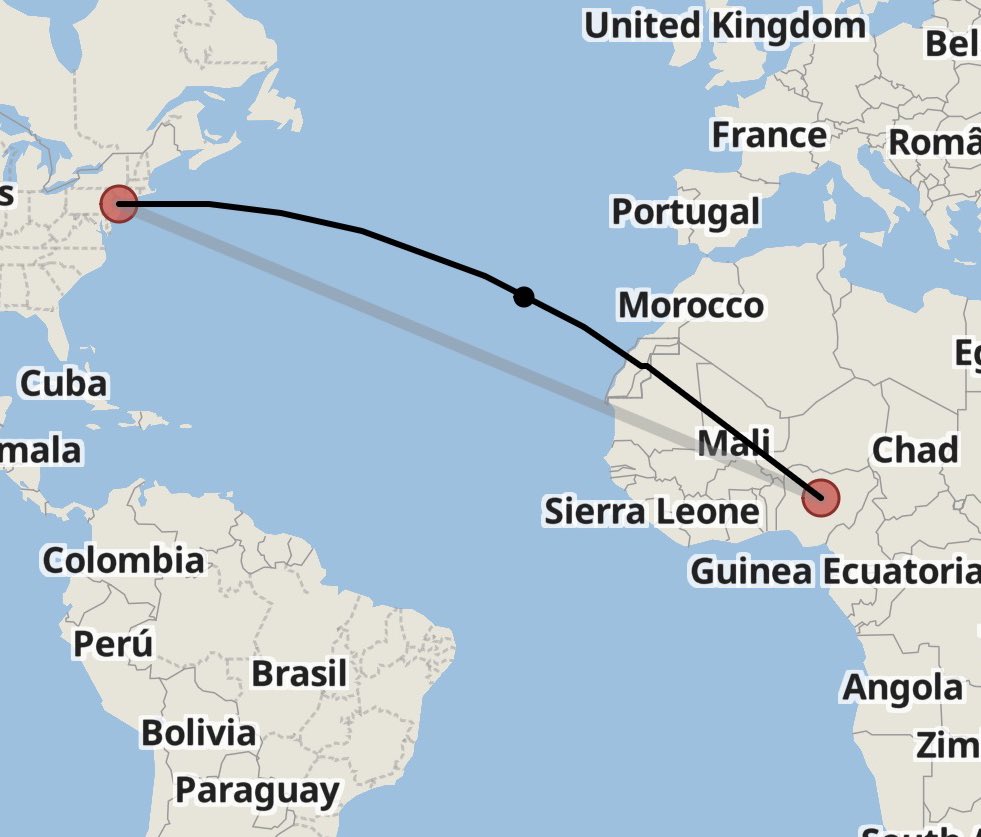
On Christmas Day 2025, the United States military carried out a series of high-impact air strikes against Islamic State (ISIS) targets in northwest Nigeria. This operation was ordered by President Donald Trump, who announced the mission from his Mar-a-Lago resort. The strikes were described as “powerful and deadly,” marking a major moment in U.S. foreign policy and a new chapter in the fight against global terrorism in Africa.
The main focus of the mission was Sokoto State, an area in Nigeria that has seen a rise in activity from groups like ISIS-Sahel and the Lakurawa. According to reports from the U.S. Africa Command (AFRICOM), the military used precision-guided missiles to destroy two major terrorist camps. The operation was carried out with the cooperation of the Nigerian government, which provided intelligence and cleared the way for the U.S. to act.
President Trump explained that he authorized these strikes to stop the “vicious killing” of Christians in Nigeria. For several months, the Trump administration has been vocal about the persecution of religious groups in the region. The President had previously warned that if the violence against innocent Christians did not stop, there would be “hell to pay.” He framed this Christmas mission as the fulfillment of that promise, stating that his leadership will never allow radical terrorism to prosper.
While the U.S. focused on the religious aspect of the conflict, the Nigerian government offered a slightly different perspective. Nigerian officials, including Foreign Minister Yusuf Tuggar, confirmed that they worked closely with the U.S., even speaking with Secretary of State Marco Rubio just minutes before the strikes began. However, Nigeria emphasized that the violence in their country affects everyone—both Christians and Muslims. They view the mission as a necessary step to protect all Nigerian lives from the threat of terrorism, regardless of their faith.
The timing of the strikes—on Christmas Day—was intentional and symbolic. Defense Secretary Pete Hegseth noted that the U.S. military is “always ready,” and that these terrorists “found out the hard way” on a day meant for peace. He also warned that there is “more to come,” suggesting that the U.S. may continue to use military force in Africa if the security situation does not improve.
This event shows a shift toward a more aggressive “America First” strategy in international security. By taking direct action in Nigeria, the U.S. is signaling that it will not wait for local governments to solve security issues if American interests or “cherished” communities are at risk. As the dust settles in Sokoto, the world is now watching to see how this will affect the long-term relationship between the U.S. and West Africa.
here is Tweet from Donald j trump
1.USA Launches Deadly Strikes in Nigeria by Trump SuiAiHustle
On Christmas Day 2025, the U.S. military launched a major operation in Sokoto State. These air strikes targeted camps belonging to ISIS and other terrorist groups. President Trump confirmed the mission was a success, calling it a direct hit on "Radical Islamic Terrorism" in the region.2.Why us Trump Ordered the Attacks: Protecting Christians
The main reason for these strikes was to stop the rising violence against Christians in Nigeria. President Trump stated that his administration would no longer stand by while innocent people are killed for their faith. He framed the military action as a necessary step to protect religious freedom and human rights.3. The Terrorist Groups Targeted: ISIS and Lakurawa
The U.S. Africa Command (AFRICOM) focused on specific groups that have been causing chaos in West Africa. This includes ISIS affiliates and a group known as Lakurawa. These groups have been moving across the borders of the Sahel region, and the U.S. aims to destroy their ability to plan further attacks.4. The Response from the Nigerian Government
While Nigeria is happy to have U.S. help in fighting terrorism, there is some disagreement over the "religious" framing of the conflict. Nigerian officials clarified that the violence affects both Christians and Muslims. This section looks at how the two countries are working together despite having different views on the cause of the violence.5. What Happens Next? A New US Strategy in Africa
Defense Secretary Pete Hegseth warned that there is "more to come." This suggests a shift in U.S. foreign policy, where the U.S. will take more aggressive military action against terrorists in Africa. This "Department of War" approach marks a significant change in how the U.S. handles global security threats.


